Financial Planner Canva Template: Streamline Your Finances
Getting a handle on your money often feels like a full-time job, especially when you are juggling a business, freelancing, or managing a busy household. We usually start with good intentions, scribbling notes on the back of receipts or trying to navigate complex spreadsheet formulas. But there is a better way to visualize your cash flow. A high-quality Financial Planner Canva Template isn't just a set of pretty pages; it is a comprehensive design asset that brings clarity to the chaos of budgeting. By leveraging modern typography and clean layouts, these templates transform the mundane task of bookkeeping into an engaging visual process.
The Visual Language of Financial Organization
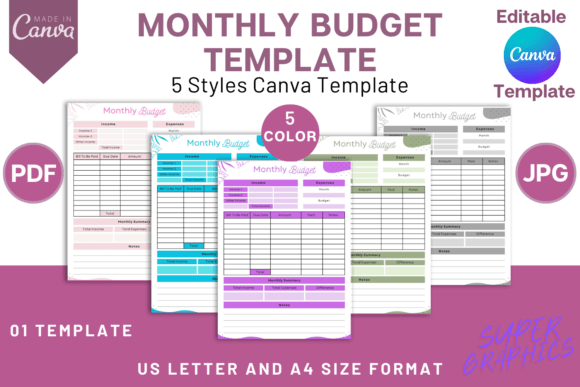
When we talk about a Financial Planner Canva Template, we aren't just discussing grids and lines. We are looking at a specific personality and style designed to reduce anxiety. The best templates in this category utilize a "clean and functional" aesthetic. You will often see a mix of sans serif fonts for headers to ensure high readability and a touch of modern typography for section breaks. The visual characteristics usually lean towards minimalist design with plenty of white space. This isn't accidental; in editorial design and financial reporting, white space allows the eye to rest, making dense numbers easier to digest.
The appeal lies in the structure. A well-designed template provides a logical hierarchy. It guides the user from the "Yearly Overview" down to the daily "Bill Tracker" without visual clutter. For the creative professional or entrepreneur, this visual consistency is vital. It mirrors the professionalism you want to project in your own brand identity. Whether you are using a soft pastel palette for personal use or a stark monochrome scheme for corporate tracking, the template acts as a design asset that enforces discipline through design.
Practical Applications for the Modern Creator
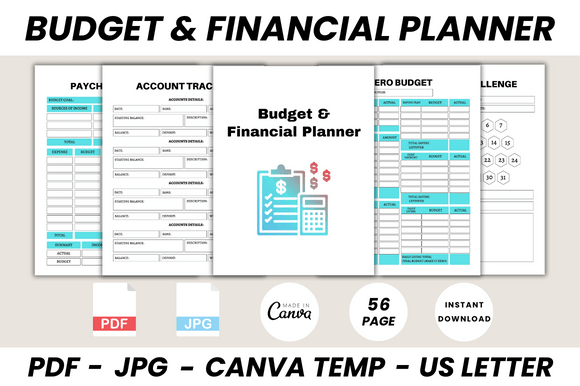
You might wonder where a Financial Planner Canva Template fits into your daily workflow. The versatility is its strongest feature. For the small business owner, these pages are perfect for organizing client invoices, tracking software subscriptions, and monitoring profit margins. Instead of staring at a blank screen, you have a pre-formatted checkbook register and an account tracker ready to go.
For marketers and content creators, these templates serve a dual purpose. Obviously, you use them to track ad spend and ROI. However, because the files are editable Canva templates, you can also adapt the layouts for client presentations. Imagine presenting a "Yearly Finance Tracker" to a stakeholder. Using a template with strong visual hierarchy and professional font pairings instantly boosts your credibility. It signals that you are organized and detail-oriented.
Even for personal use, the impact is significant. The inclusion of specific pages like the "52 Week Saving Challenge" or "No Spend Challenge" turns saving into a game. These aren't just lists; they are visual progress bars that motivate you. For crafters and hobbyists selling on platforms like Etsy, tracking material costs against sales revenue is crucial. A dedicated "Expenses Tracker" page helps you price your products correctly to ensure profitability.
Design Functionality and Customization
One of the greatest advantages of using a Financial Planner Canva Template is the accessibility of the design tool itself. You do not need to be a graphic design wizard to make these files your own. Canva is a free-to-use online tool, and these templates are built to be fully customizable. You have the power to adjust every element.
Think about the typography. If the default sans serif font feels too cold for your personal budget, you can swap it for a warmer serif font or even a subtle handwritten font for the headers to make it feel more approachable. This flexibility allows you to create a cohesive look that matches your existing stationery or digital aesthetic. You can change colors to match your brand guidelines, ensuring that even your internal financial documents contribute to a consistent brand identity.
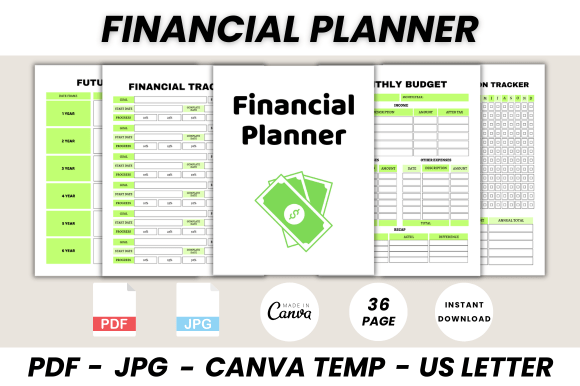
Furthermore, the practical features are robust. The "Bill & Subscription Tracker" is a lifesaver in the age of recurring digital services. The "Net Worth Tracker" provides a high-level snapshot of your financial health, which is essential for long-term planning. The "Future Goals" section allows you to visualize what you are working towards, whether it’s a new camera lens, a down payment on a house, or a marketing budget for a new product launch. This blend of creative font usage and functional data entry makes the tool powerful.
Integrating the Template into Your Workflow
Adopting a new system requires a strategy. Don't just download the files and let them sit in a folder. Here is a practical approach to getting the most out of your Financial Planner Canva Template:
- Start with the Overview: Begin with the "Yearly Overview" or "Financial Summary" pages. Establish your baseline numbers for income and fixed expenses. This gives you the context needed to fill out the specific trackers.
- Customize for Visibility: Edit the template to highlight critical categories. If "Rent" is your biggest expense, make that text bold or change the color so it stands out immediately upon opening the planner.
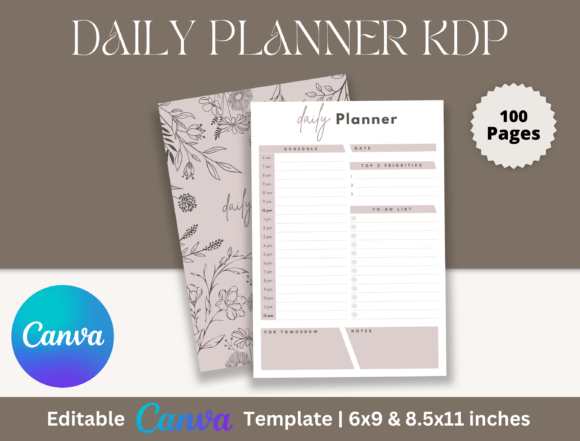
- Use the "To-Do List" Effectively: Financial planning involves action items, not just numbers. Use the included to-do list for things like "Call insurance provider," "File quarterly taxes," or "Review ad spend." This keeps the administrative side of your business moving.
- Print vs. Digital: While these come as printable PDFs (US Letter size), consider keeping a digital version open in a tab on your browser for quick updates, and printing the "Monthly Budget" to pin above your desk for daily accountability.
The Value of Structured Design
Ultimately, a Financial Planner Canva Template bridges the gap between raw data and actionable insight. For the designer, entrepreneur, or busy parent, it removes the friction of starting from scratch. It provides a professional framework that respects your time and visual preferences. By treating your finances with the same design care you give to your social media graphics or packaging design, you elevate the importance of your financial goals. It turns the chore of budgeting into a structured, visually satisfying part of your creative workflow.