Canva Letters Frame Alphabet TemplateC30: A Creative's Guide
Every so often, a design asset comes along that feels less like a tool and more like a collaborator. The Canva Letters Frame Alphabet TemplateC30 is precisely that kind of resource. It’s not merely a set of characters; it’s a system of editable frames, a digital sandbox for anyone who needs to craft unique, eye-catching letterforms. Forget static, pre-made graphics. This template hands you the keys, inviting you to infuse your own brand’s texture, color, and personality directly into each letter.
More Than a Font: Understanding the Editable Frame System
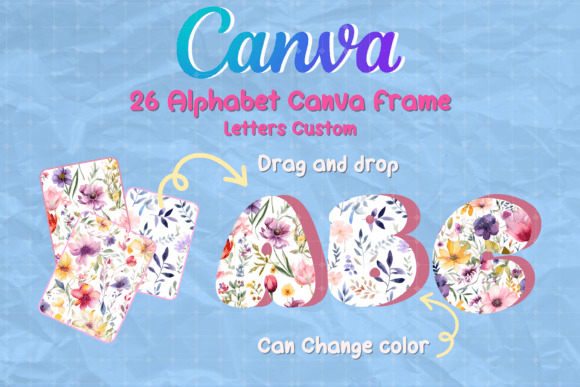
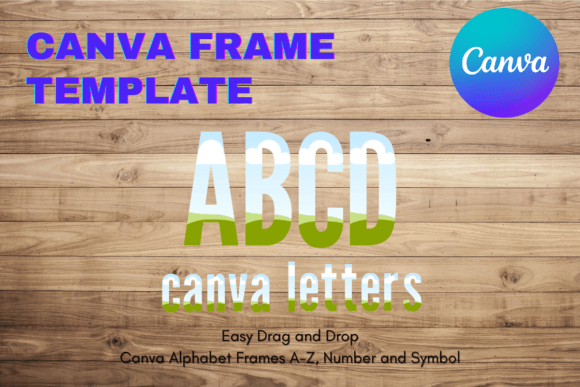
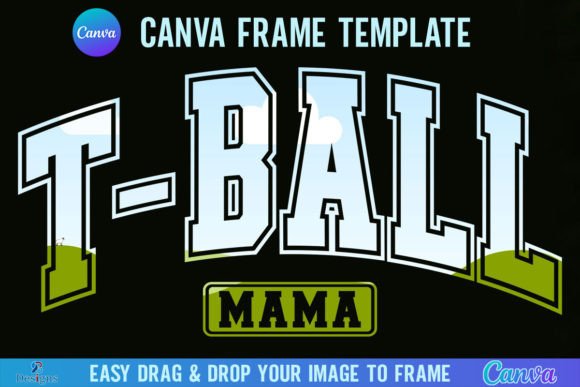
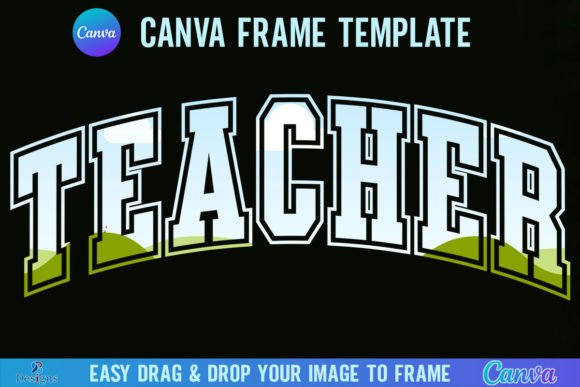
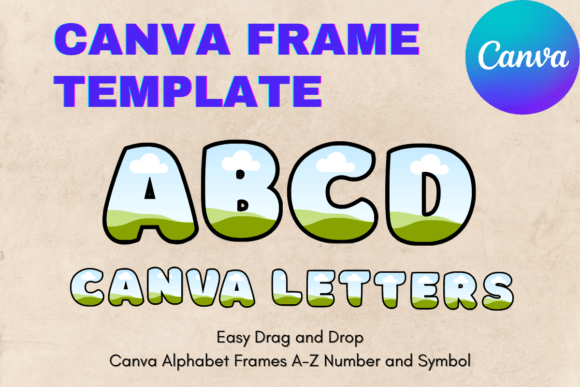
First, let's clear up a common point of confusion. This is not a traditional font file like a PNG or SVG. You won't install it on your computer. Instead, you receive a PDF containing a link to a custom Canva template. Once inside Canva, you're presented with a complete alphabet where each letter is a transparent frame. This is the core of its utility. A frame in Canva acts like a window or a mask; any image, pattern, or texture you drag into it is clipped to the shape of that letter.
The visual personality of Canva Letters Frame Alphabet TemplateC30 is one of structured creativity. The letterforms themselves possess a clean, balanced silhouette—often a sturdy serif or a bold sans serif style—making them highly legible even after customization. Their strength lies in this neutrality. They provide a strong, professional scaffold that doesn't compete with the content you place inside. Think of it as a perfectly tailored suit waiting for the right pocket square and tie. The template’s appeal is its dual nature: it offers the professionalism of a premium display font with the boundless creative freedom of a custom design element.
Strategic Applications: Where These Letter Frames Shine
The true value of Canva Letters Frame Alphabet TemplateC30 is realized when you apply it to real-world projects. Its versatility makes it a powerhouse for a wide range of creative professionals.
- Brand Identity & Logo Design: For entrepreneurs and small business owners, this is a game-changer. Imagine crafting a logo where your brand name is filled with a subtle marble texture, a gradient that matches your color palette, or even a repeating pattern from your product line. This creates a deeply personal and recognizable brand identity that stands apart from competitors using off-the-shelf typefaces.
- Marketing & Social Media Graphics: Content creators and marketers can use these frames to generate endless scroll-stopping content. Create bold, textured headlines for Instagram carousels, design unique YouTube thumbnails, or develop a series of branded quote graphics where the text itself becomes the focal point. The ability to maintain visual consistency across platforms, while keeping each post fresh, is invaluable.
- Publishing & Editorial Design: Bloggers and publishers can elevate their work by using these frames for chapter headings, pull quotes, or feature article titles in digital magazines. It adds a layer of editorial design sophistication that plain text cannot achieve. For a cookbook, fill the letters with images of fresh ingredients; for a travel blog, use maps or landscape photos.
- Packaging & Product Design: For crafters and product-based businesses, the template is a direct line to professional packaging. Use it to create stunning product names on labels, gift tags, or thank-you cards. The transparent layer is perfectly suited for vinyl sublimation, allowing you to transfer your custom-filled letters onto mugs, t-shirts, and tote bags with crisp, clean edges.
This approach influences more than just aesthetics. A well-executed, textured letterform commands attention, establishing a clear visual hierarchy on a crowded page or feed. It boosts brand perception by signaling a commitment to quality and detail. When your audience sees this level of care, it fosters recognition and trust, making your brand feel more established and professional.
Practical Guidance for Working with the Template
Integrating Canva Letters Frame Alphabet TemplateC30 into your workflow is straightforward, but a few practical tips will ensure the best results.
- Evaluate the Fit: Before you begin, consider your project's tone. These frames work best when the style of the letterform (e.g., its weight and serif/sans-serif nature) aligns with your message. A heavy, bold frame is great for impactful headlines, while a more delicate one might suit wedding invitations. Always test a few letters first.
- Master the Drag & Drop: Inside Canva, simply upload your desired texture or image. Then, drag it from your uploads panel directly over the letter frame. Canva will automatically clip it to the shape. You can then double-click the frame to reposition or scale the image within it.
- Consider Readability: The golden rule is clarity. If you're filling letters with a busy photograph, ensure the overall word remains legible. Sometimes, adding a subtle shadow or outline to the letter can help it pop from the background. For body text or longer words, simpler textures or solid color fills often work best.
- Font Pairing Strategies: Because the alphabet frames act as a display font, pair them with a clean, simple body font. A classic serif font like Georgia or a neutral sans serif font like Open Sans provides a beautiful contrast, ensuring your main message is easy to read while your custom headline grabs attention.
- Leverage Commercial Licensing: Always review the specific license included with your purchase. Typically, these templates are licensed for both personal and commercial use, allowing you to create and sell finished products like printed goods or digital social media kits. This makes it a valuable commercial font asset for any growing business.
In the end, the Canva Letters Frame Alphabet TemplateC30 is more than just another item in your design assets library. It’s a versatile creative partner that bridges the gap between a static typeface and a fully custom design. By understanding its frame-based system and applying it thoughtfully across your projects, you can consistently produce work that is not only visually compelling but also strategically aligned with your brand’s unique voice. It’s an invitation to stop using generic letters and start creating them.